
Higher Level Sales Automation & Marketing Blog
The rules of customer acquisition have changed. Relying on old-school manual outreach and slow response times is a guaranteed way to fund your competitor's bank account.
Led by conversion and automation expert Jesse Privett, this blog is your no-nonsense guide to modern business growth. We break down the exact data-driven strategies, cutting-edge AI marketing workflows, and lightning-fast Speed to Lead automation tools that North East Oklahoma businesses are using to scale their pipelines, dominate the local market, and capture revenue 24/7/365.
Don't let your hard-earned leads go cold. Browse our latest insights below, implement the systems, and start scaling your operations to the next level.
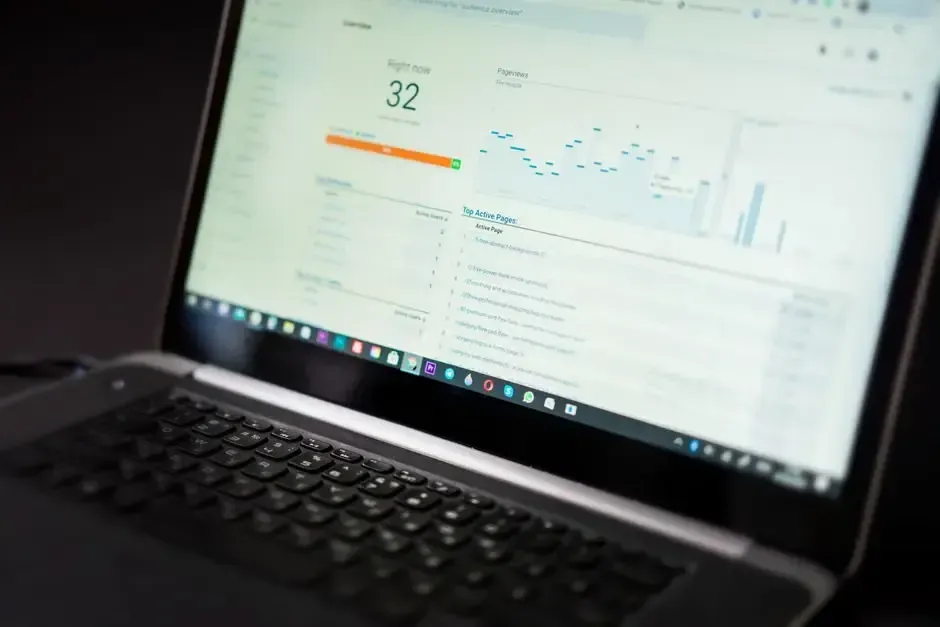
Search Engine Optimization Techniques: The Complete 2026 Guide to Ranking Higher
The conversation around search engine optimization techniques has shifted dramatically. You have probably heard the whispers: SEO is dead, replaced by AI chatbots and zero-click searches. The reality is more nuanced and far more optimistic for those willing to adapt. This guide cuts through the noise to deliver a practical, actionable breakdown of search engine optimization techniques that work in 2026. We are not here to sell you on outdated tactics or vague theory. We are here to walk you through on-page optimization, technical health, off-page authority building, and the new frontier of AI-era visibility. The search landscape now includes Google, Bing, ChatGPT, Gemini, and Perplexity, but the core principle remains unchanged: creating content that genuinely serves user intent wins every time. If you want a step-by-step roadmap to higher rankings that accounts for algorithm updates and AI disruption, you are in the right place.
Table of Contents
What Are Search Engine Optimization Techniques? (And Why They Still Matter in 2026)
Foundational Search Engine Optimization Techniques Every Beginner Needs
On-Page Search Engine Optimization Techniques for Higher Rankings
Technical Search Engine Optimization Techniques for Site Health
Off-Page Search Engine Optimization Techniques: Building Authority
Common Search Engine Optimization Techniques Mistakes to Avoid in 2026
Your Search Engine Optimization Techniques Action Plan for 2026
Frequently Asked Questions About Search Engine Optimization Techniques
What Are Search Engine Optimization Techniques? (And Why They Still Matter in 2026)
Search engine optimization techniques are the tactical methods used to improve a website's visibility in organic search results. These techniques span everything from how you structure your HTML to how other websites reference your brand. In 2026, the discipline has matured beyond simple keyword placement into a sophisticated practice that balances user experience, technical performance, and content depth.

The "SEO is dead" debate persists, but the data tells a different story. As Google's own People Also Ask feature confirms, SEO is evolving, not dying. The demand for trusted, authoritative content is stronger than ever. What has changed is the delivery mechanism. AI-generated answers from ChatGPT, Gemini, and Perplexity are displacing some traditional click-throughs, but those answers are sourced from the same well-optimized pages that win featured snippets and top organic positions. The techniques that earn visibility in AI overviews are the same techniques that satisfy Google's E-E-A-T framework: Experience, Expertise, Authoritativeness, and Trustworthiness. Search engine optimization techniques fall into three core categories: on-page optimization, which covers everything visible on your site; off-page optimization, which involves authority signals from other domains; and technical SEO, which ensures search engines can crawl, index, and render your pages efficiently. Mastery of all three is non-negotiable in 2026.
Foundational Search Engine Optimization Techniques Every Beginner Needs
Before chasing advanced tactics, you need a solid foundation. These are the search engine optimization techniques that ensure your site is visible, crawlable, and structured for success from day one.
Help Google Find and Crawl Your Content
If Google cannot find your pages, nothing else matters. Start by submitting an XML sitemap through Google Search Console. This tells Google exactly which URLs exist on your domain and how they are organized. Internal linking is equally critical: every important page should be reachable within two or three clicks from your homepage. Use descriptive, keyword-rich URLs that signal content relevance. A URL like /search-engine-optimization-techniques/ communicates far more than /page123/. Regularly check Search Console for crawl errors and ensure your robots.txt file is not accidentally blocking resources Google needs to render your pages correctly.

Optimize Page Titles and Meta Descriptions
Page titles remain one of the strongest on-page ranking signals. Keep titles under 60 characters and place your primary keyword near the beginning. Each page on your site needs a unique title tag that accurately describes its content and value proposition. Meta descriptions do not directly influence rankings, but they heavily affect click-through rates. Write descriptions between 150 and 160 characters that compel users to choose your result over competitors, incorporating your target keyword naturally. Avoid the common mistake of duplicating title tags across multiple pages; every URL should target a distinct topic or intent.
Structure Content for Readers and Search Engines
Proper heading hierarchy helps both users and crawlers understand your content's organization. Use a single H1 for the main title, H2 tags for major sections, and H3 tags for subsections. Break up long blocks of text with short paragraphs of two to four sentences. For long-form articles, include a table of contents with anchor links. This improves user experience and increases your chances of earning a featured snippet or appearing in AI-generated summaries. Structured, scannable content signals quality to Google's algorithms and keeps readers engaged longer, which reduces bounce rates and supports higher rankings.
On-Page Search Engine Optimization Techniques for Higher Rankings
On-page optimization is where strategy meets execution. These search engine optimization techniques directly influence how Google interprets your content's relevance and quality.
Keyword Research That Actually Works in 2026
Keyword research has evolved beyond volume metrics. In 2026, the most effective approach combines traditional tools with real-time SERP analysis. Brian Dean's method of mining Google Autocomplete and the "People Also Ask" boxes remains highly effective for finding low-competition, long-tail keywords. Start by identifying broad topics, then drill down into specific questions and conversational phrases. Search intent classification is essential: determine whether the user wants information, wants to navigate to a specific site, wants to compare options commercially, or wants to complete a transaction. Tools like Google Keyword Planner, Ahrefs, and SEMrush provide valuable data, but always cross-reference their suggestions against actual search results. The rise of voice search and AI assistants means question-based keywords like "How do I optimize my website for SEO?" are more valuable than ever.
Content Optimization for Search Intent and Engagement
Matching content format to search intent is one of the most overlooked search engine optimization techniques. If the top results for your target keyword are listicles, write a listicle. If they are in-depth guides, match that depth. Include your primary keyword in the H1, within the first 100 words, in at least one H2, and naturally throughout the body. Do not stuff keywords; Google's algorithms are sophisticated enough to understand semantic relevance. Internal linking is a powerful but underutilized tactic. Link to two or three related pages on your site where contextually relevant. External links to authoritative sources, such as Google's own SEO documentation, reinforce your content's credibility. Optimize all images with descriptive alt text, compressed file sizes, and WebP format to support Core Web Vitals performance.
Optimize for Featured Snippets and AI Overviews
Featured snippets and AI overviews are the new position zero. To earn these placements, structure answers to common questions in clear paragraph, list, or table formats. Use the direct answer pattern: state the answer concisely in the first sentence, then elaborate with supporting detail. Google's AI Overviews pull from top-ranking pages, so the same optimization that wins featured snippets increases your chances of being cited as a source in AI-generated answers. Monitor how your content appears in these overviews for your target keywords and adjust your structure accordingly. Pages that provide comprehensive, well-organized answers consistently outperform those that bury key information deep in the text.
Technical Search Engine Optimization Techniques for Site Health
Technical SEO ensures your site meets the performance and accessibility standards that modern search engines demand. These search engine optimization techniques operate behind the scenes but have a direct impact on rankings.
Core Web Vitals and Page Experience
Core Web Vitals are confirmed ranking factors in 2026, and they measure real-world user experience. Optimize Largest Contentful Paint to load in under 2.5 seconds by compressing images, using lazy loading, and minimizing render-blocking resources. Reduce First Input Delay and the newer Interaction to Next Paint metric by keeping JavaScript execution lean. Cumulative Layout Shift should stay below 0.1; set explicit dimensions for all images, embeds, and ad placements to prevent content from jumping as the page loads. Test your site regularly with Google's PageSpeed Insights and Lighthouse, and address any flagged issues promptly. A fast, stable page experience reduces bounce rates and signals quality to Google's algorithms.
Mobile-First Indexing and Responsive Design
Google uses mobile-first indexing exclusively in 2026, meaning the mobile version of your site determines your rankings. Confirm your site passes Google's Mobile-Friendly Test. Use responsive design rather than separate mobile URLs to consolidate ranking signals onto a single canonical version. Ensure tap targets such as buttons and navigation links are at least 48 pixels apart for comfortable touch navigation. Test page load speed on both 4G and 5G mobile connections, as user expectations for mobile performance continue to rise. A site that frustrates mobile users will not rank well, regardless of desktop performance.
Structured Data and Schema Markup
Structured data helps search engines understand your content's context and increases eligibility for rich results. Implement FAQ schema for question-and-answer content to earn expandable rich snippets. Use Article schema for blog posts, Product schema for e-commerce pages, and LocalBusiness schema for brick-and-mortar locations. Validate all schema with Google's Rich Results Test tool before deployment. Breadcrumb navigation markup improves both SERP appearance and user navigation, giving searchers clear context about where a page sits within your site hierarchy. These enhancements do not guarantee rich results, but they significantly increase your eligibility.
Off-Page Search Engine Optimization Techniques: Building Authority
Off-page SEO is about earning signals from other websites that validate your content's authority and trustworthiness. These search engine optimization techniques require sustained effort but deliver compounding returns.
Link Building Strategies That Survive Algorithm Updates
Quality backlinks remain one of Google's strongest ranking signals, but the tactics that earn them have evolved. Focus on earning editorial backlinks through guest posting on reputable industry sites. Create linkable assets that other sites want to reference: original research, proprietary data studies, infographics, and genuinely comprehensive guides. Use tools like Ahrefs or SEMrush to identify broken backlinks pointing to your site and reclaim that lost authority by redirecting those URLs or contacting the linking sites. Avoid spammy tactics such as private blog networks, paid link schemes, and automated link exchanges. Google's Link Spam Update penalizes manipulative link building aggressively, and recovery from a manual action can take months.
Brand Signals and E-E-A-T
Google's emphasis on Experience, Expertise, Authoritativeness, and Trustworthiness means brand signals matter more than ever. Build and maintain a strong Google Business Profile for local SEO relevance. Encourage genuine customer reviews on Google, Yelp, and industry-specific platforms; review velocity and sentiment influence local rankings. Publish detailed author bios with verifiable credentials and links to professional profiles on LinkedIn and industry publications. Mentions on authoritative .edu and .gov domains carry outsized weight, as demonstrated by the Department of Energy's own SEO best practices guide ranking prominently. These signals tell Google that your brand is a legitimate, trusted entity in its space.
Modern Search Engine Optimization Techniques for the AI Era
The rise of AI search tools has created new optimization opportunities. These search engine optimization techniques address the changing ways users find and consume information.
Optimizing for AI Search Engines (Gemini, ChatGPT, Perplexity)
AI search engines generate answers by synthesizing information from top-ranking pages. To appear as a cited source, write content that answers questions comprehensively and authoritatively. Use clear, declarative language that AI models can easily parse and attribute. Structure content with bullet points and tables, as AI assistants favor these formats when generating summaries and comparisons. Monitor how your content appears in AI-generated answers for your target queries. If competitors are being cited instead of you, analyze their content structure and depth to identify gaps in your own coverage. The companies that leverage AI-driven strategies effectively are already seeing disproportionate visibility gains in these new search environments.
Voice Search and Conversational Queries
Voice search continues to grow as smart speakers and mobile assistants become ubiquitous. Target long-tail, question-based keywords that mirror how people speak. Someone typing might search "SEO techniques 2026," but someone speaking asks, "What are the best search engine optimization techniques for 2026?" Write in a natural, conversational tone that aligns with spoken queries. Optimize for local voice searches by maintaining accurate name, address, and phone data across all platforms. Voice assistants typically read from featured snippets, so earning position zero directly increases your chances of being the spoken answer to user questions.
Video and Visual Search Optimization
Video content dominates user attention, and Google owns YouTube. Host videos on YouTube and embed them on your site with keyword-rich titles, descriptions, and tags. Add full transcripts and closed captions to make video content indexable and searchable. Optimize images for Google Lens and visual search by using descriptive file names and alt text that accurately describe the image content. Create video thumbnails that include text overlays with target keywords to improve click-through rates from search results. Visual and video search optimization is no longer optional; it is a core component of a complete SEO strategy.
Common Search Engine Optimization Techniques Mistakes to Avoid in 2026
Even experienced practitioners fall into these traps. Keyword stuffing, or using your target keyword unnaturally often, still triggers algorithmic penalties. Focus on semantic relevance and topic coverage instead. Ignoring search intent is equally damaging; ranking for a keyword without satisfying what the user actually wants leads to high bounce rates and poor conversion. Neglecting mobile optimization directly hurts rankings under mobile-first indexing. Buying low-quality backlinks invites aggressive penalization under Google's Link Spam Update. Overlooking Core Web Vitals means losing visibility to faster competitors, as page experience is a confirmed ranking factor. Finally, publishing AI-generated content without substantial human editing and expert input is increasingly detectable and devalued. Google rewards content that demonstrates genuine experience and expertise, not machine-generated filler.
Your Search Engine Optimization Techniques Action Plan for 2026
Week one: audit your current site using Google Search Console, PageSpeed Insights, and a mobile-friendly test. Week two: conduct keyword research focused on long-tail, question-based terms with clear search intent. Week three: optimize your top five pages by updating titles, meta descriptions, headings, and internal links. Week four: implement technical fixes, including Core Web Vitals improvements, schema markup, and sitemap submission. Month two: build three to five quality backlinks through guest posting or creating a linkable asset. Ongoing: monitor rankings, refresh outdated content quarterly, and stay current with Google algorithm updates. For a structured approach to implementing these techniques, explore our service framework for guidance on building a sustainable SEO program.
Frequently Asked Questions About Search Engine Optimization Techniques
How do I do SEO as a beginner?
Start with Google's SEO Starter Guide. Focus on helping Google find your content, using descriptive URLs, grouping similar pages, reducing duplicate content, and linking to relevant resources. Master the fundamentals before moving to advanced techniques.
Is SEO dead or evolving in 2026?
SEO is evolving, not dying. The demand for trusted, authoritative content is stronger than ever. While AI search tools are changing how results are displayed, well-optimized, high-quality content remains essential for visibility in both traditional and AI-generated search results.
What are the most important SEO techniques for 2026?
Prioritize content quality and E-E-A-T, Core Web Vitals optimization, mobile-first design, structured data implementation, and AI search optimization. Long-tail keyword targeting and voice search readiness are also critical for capturing traffic across all search interfaces.

Stop Bleeding Leads. Start Booking Appointments on Autopilot.
Every single minute you make an inbound lead wait for a response, your closing rate plummets by double digits. While you are out in the field, running operations, or spending time with your family, your website visitors are moving on to the competitor who answers first.
Don't let slow response times kill your revenue.
At Higher Level Sales, we boost your business's Google Search Engine Optimization (SEO) and deploy elite, custom-built Speed to Lead AI Automation systems that instantly text, qualify, and book your incoming leads into appointments in under 5 seconds—24 hours a day, 7 days a week.
Let's build your growth engine:
👉 Stop guessing and start automating. Claim your competitive advantage before someone else in your niche does.

Testimonials

"Our phones are ringing, and bookings are on autopilot."
"Before Higher Level Sales, we were losing half our HVAC leads because we couldn't follow up fast enough during peak season. I was fresh out of guerilla marketing ideas for small business when Jesse built an automated system that captures, quotes, and schedules our jobs instantly. My techs are constantly booked, and no lead slips through the cracks anymore." — Jacob H., Apex Climate Control

"Turned one-time oil changes into loyal, repeat customers."
"Jesse completely solved my customer retention problem. He set up an automated system that tracks our client's oil change history and texts out personalized maintenance reminders when they are due. Our bay doors are always full, and our local reputation has skyrocketed since I found Higher Level Sales." — Carlos R., Owner, Precision Auto Care
Office:
Chouteau Oklahoma 74337
Call (539) 210-8566
Email: [email protected]
Site: www.higherlevelsales.com